
Face and body radiofrequency
Controlled warmth. A firmer-looking finish.
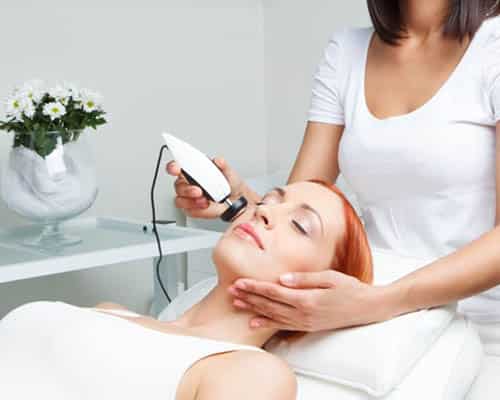
Radiofrequency Skin Tightening uses a moving applicator to warm selected skin on the face or body as part of a progressive treatment plan.
Radiofrequency Skin Tightening
Energy delivered while the applicator stays in motion.
The practitioner applies a contact medium and moves a radiofrequency applicator over the chosen area while monitoring heat and skin response. Settings are adjusted for the device, area and your comfort.
The treatment aims to support a firmer-looking appearance over time. It cannot stop normal ageing or guarantee a particular degree of tightening.
Ask about treatment areas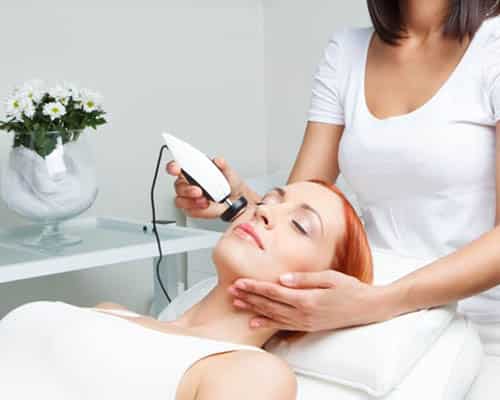
A warm treatment with a gradual goal.
Temporary redness, warmth, tenderness, swelling or bruising can occur, even when normal activity can resume immediately.
Area-specific planning
Face, abdomen and body need different approaches.
The correct applicator, intensity and treatment time depend on the area and tissue. A course is commonly recommended, with progress reviewed between appointments.
Medical history, skin condition, medicines, recent procedures and some implants can affect suitability. Tell the practitioner immediately if the applicator feels painfully hot.
Book a consultationMore information
Radiofrequency Skin Tightening questions, answered.
The area and device settings matter as much as the treatment name.
Contact usHow does radiofrequency skin tightening work?
A moving applicator delivers controlled radiofrequency energy and warms selected tissue. The treatment is intended to support a firmer-looking appearance over time.
Which areas can be treated?
Suitable face and body areas depend on the available applicator and your anatomy. VIVO also has dedicated face and abdomen treatment pages with current package details.
How many treatments might I need?
A course of around 3–6 appointments is commonly considered, although the number and maintenance plan depend on the area and response.
What does it feel like?
The skin becomes progressively warm as the applicator moves. It should not feel painfully hot; tell the practitioner immediately if it does.
What side effects can occur?
Temporary redness, warmth, tenderness, swelling or bruising can occur. Less common risks are discussed before treatment.
Is everyone suitable?
No. Some conditions, medicines, active skin problems, implants and recent procedures may affect suitability. Assessment is required.
Choose the area-specific route.