
Radiofrequency Face Lift
Face Lift package
Normal price£331Seasonal price£65
SaleRadiofrequency Face Lift£133
FreeRadiofrequency Eye LiftFREE£99
FreeSupersonic Chin ReductionFREE£99
Facial radiofrequency
Radiofrequency Face Lift uses controlled energy to warm selected areas of the face, neck or eye contour as part of a skin-tightening plan.
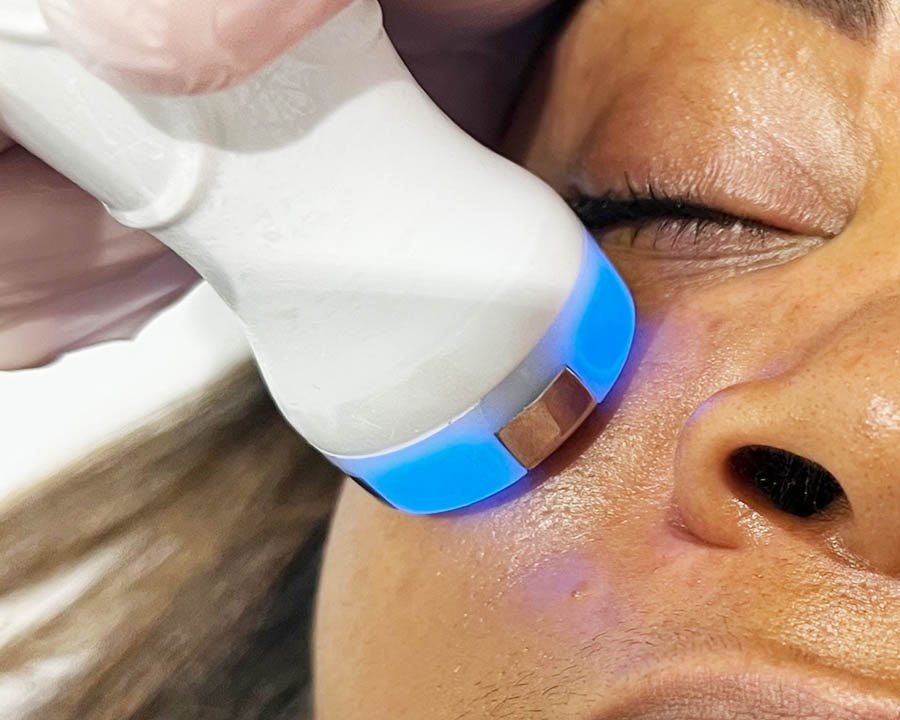
Radiofrequency Face Lift
A handheld applicator delivers radiofrequency energy while moving over the skin. The practitioner monitors the area as warmth builds and adjusts the settings for comfort.
The treatment can be planned for the face, neck or around the eyes. It aims to support a firmer-looking appearance, although the degree and duration of change vary.
Compare current packages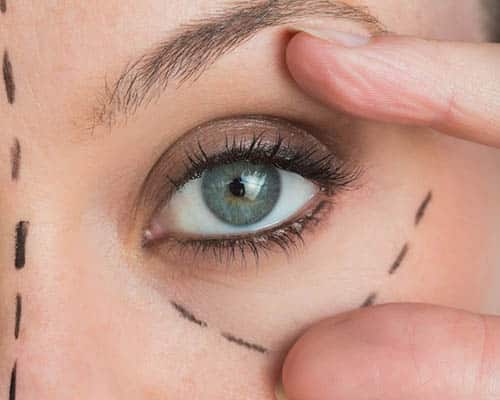
Temporary redness, warmth, tenderness, mild swelling or bruising can occur even when you return to normal activity immediately.
Treatment planning
A series of appointments is commonly recommended, with progress reviewed rather than assumed. Maintenance may be discussed as skin continues to age normally.
Your practitioner will check medical history, skin condition, medicines, recent procedures and any implants before treatment. The applicator should feel warm, not painfully hot.
See package optionsCurrent seasonal offers
Both packages include the supporting treatments listed on the cards.
Prices come from our clinic feed and are cached for 24 hours. Offers, availability and suitability vary by clinic.
More information
A consultation is the place to agree areas, expectations and a realistic course.
Contact usA handheld applicator delivers controlled radiofrequency energy, warming selected layers of tissue. The treatment is intended to support a firmer-looking appearance over time.
Depending on suitability and the applicator used, treatment can be planned for the face, neck and eye contour. Delicate areas require appropriate settings and technique.
A course of around 3–6 appointments is commonly considered, although the number and maintenance plan depend on the area and response.
Temporary redness, warmth, tenderness, swelling or bruising can occur. Your practitioner will explain less common risks and aftercare before treatment.
There is usually no planned downtime, but visible redness or swelling may mean you prefer to allow some recovery time.
No. Some medical conditions, medicines, active skin problems, implants or recent procedures may affect suitability. A practitioner must assess you first.
Start with the area, not a promise.