RF Fat Melting
RF body-contouring package
Normal price£199Seasonal price£65
SaleRadiofrequency Fat Melting£199
FreeSupersonic Cavitation Fat MeltingFREE£99
FreeRadiofrequency Skin TighteningFREE£99
Localised body contouring
Radiofrequency Fat Melting uses controlled warmth as part of a non-surgical treatment plan for selected localised body areas.
Radiofrequency Fat Melting
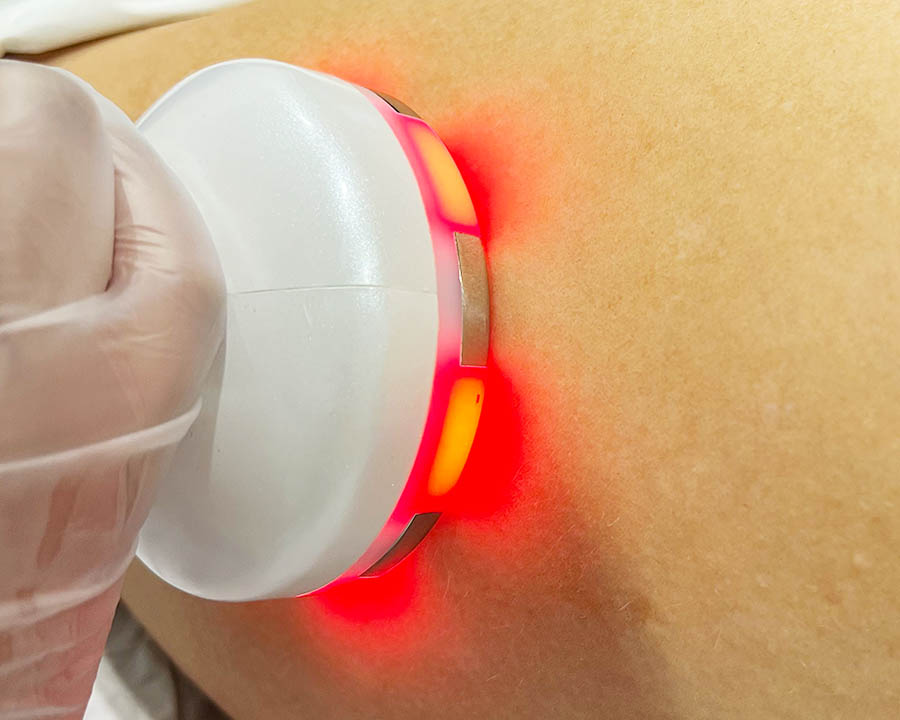
A handheld applicator delivers radiofrequency energy while moving over the selected area. The practitioner monitors the skin and adjusts the treatment to maintain controlled warmth.
It is a cosmetic body-contouring service, not a treatment for obesity or general weight loss. The degree of local change varies and a course is commonly recommended.
See the current package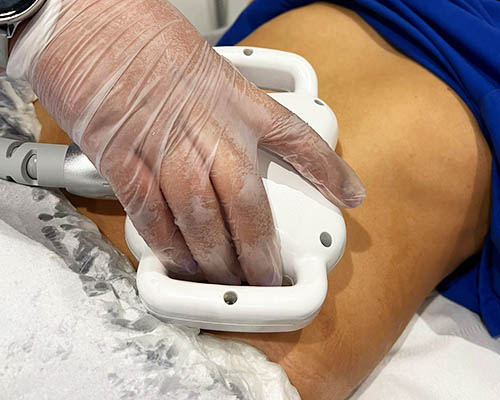
Temporary warmth, redness, tenderness, swelling or bruising can occur. Outcomes develop individually and are not guaranteed.
Course-based treatment
The proposed area, course and any combination with cavitation or skin-tightening treatment are agreed at consultation. Healthy, sustainable habits remain important because the service is not designed for overall weight change.
Some implants, medical conditions, active skin problems and recent procedures may make treatment unsuitable. Your practitioner will explain side effects and aftercare.
Review the packageCurrent seasonal offer
The current package includes radiofrequency treatment plus the supporting services shown on the card.
Prices come from our clinic feed and are cached for 24 hours. Offers, availability and suitability vary by clinic.
More information
The treatment is for localised contouring, with expectations agreed area by area.
Contact usA moving applicator delivers controlled radiofrequency energy and warms the selected area. It is used as part of a local body-contouring plan.
No. It is intended for a selected local area and should not be presented as a treatment for obesity or general weight loss.
A course of around 3–6 appointments is commonly considered, although the suitable number depends on the area and response.
The area becomes progressively warm as the applicator moves. Tell the practitioner immediately if it feels painfully hot.
Temporary redness, warmth, tenderness, swelling, sensitivity or bruising can occur. Less common risks are discussed before treatment.
No. Some health conditions, implants, active skin problems, medicines and recent procedures may affect suitability.
A defined area. A realistic plan.