Plasma Eye Lift
Upper or lower lids
Normal price£530Seasonal price£99
SalePlasma Upper or Lower Lids£332
FreeHIFU Upper Face LiftFREE£99
FreeSupersonic Chin ReductionFREE£99
Precision plasma treatment
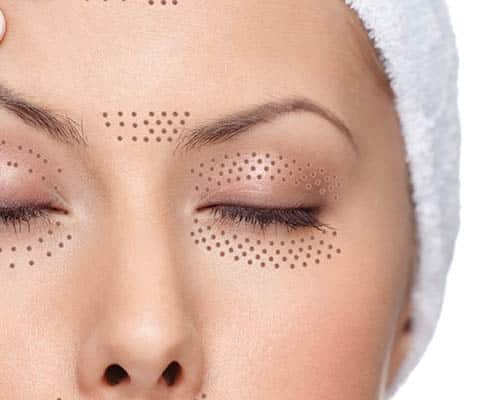
Plasma Eye Lift creates controlled superficial treatment points around a suitable eyelid area and requires careful assessment, consent and aftercare.
Plasma Eye Lift
A plasma device produces a small electrical arc close to the skin, creating a pattern of superficial treatment points. Numbing cream is used and the practitioner works precisely across the agreed upper or lower eyelid area.
The procedure creates an intentional healing response. It is not risk-free or equivalent to surgery, and it cannot reproduce every surgical result.
Compare upper and lower lid options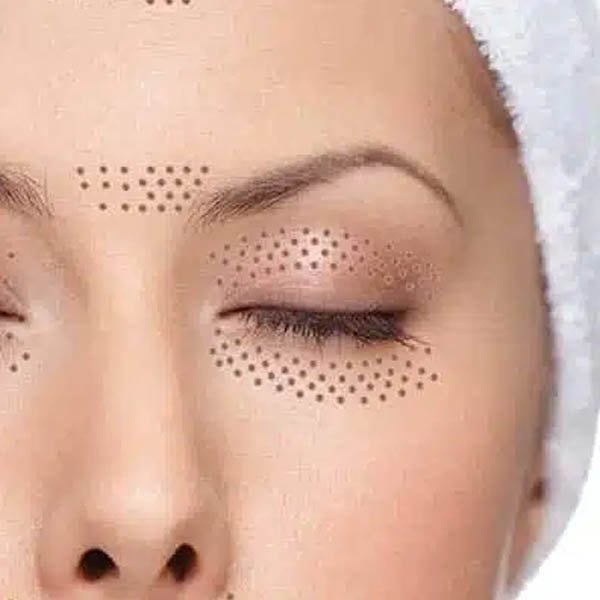
Do not pick the treated points. Sun protection and the aftercare supplied by your practitioner are important while the area heals.
Risk-aware treatment
Redness, swelling, tenderness, crusting and temporary sensitivity are common. Pigment change, infection, scarring, prolonged swelling and an unsatisfactory cosmetic result are possible.
Skin tone, healing history, active skin conditions, medicines and recent eye procedures all affect suitability. Your practitioner should explain alternatives and when treatment should be postponed or avoided.
Review the treatment optionsCurrent seasonal offers
The two packages cover either one eyelid area or both, plus the supporting treatments shown.
Prices come from our clinic feed and are cached for 24 hours. Treatment is subject to consultation; offers and availability vary by clinic.
More information
The procedure and recovery should be fully understood before you decide.
Ask a practitionerThe device creates a small electrical arc above the skin, producing controlled superficial treatment points. The resulting healing response may change the appearance of a suitable eyelid area.
Visible swelling and crusting can last for several days and sometimes up to around 10 days. Recovery varies, so plan around the possibility that the area will remain noticeable.
Redness, swelling, tenderness, crusting and sensitivity are common. Pigment change, infection, scarring, prolonged swelling and an unsatisfactory result are possible.
Do not pick them. Follow the specific cleansing, product, makeup and sun-protection advice supplied by your practitioner to reduce avoidable complications.
No. It is a non-surgical cosmetic treatment and cannot reproduce every effect of eyelid surgery. A qualified professional should explain alternatives for your concern.
Active skin disease or infection, some skin tones or healing histories, pregnancy, certain medicines and recent eye treatment may affect suitability. Assessment is essential.
Precision deserves preparation.