
Low-level light for the scalp
A long-view approach to thinning hair.
Laser Hair Rejuvenation applies low-level light across the scalp as a non-invasive option considered within a wider hair-loss assessment.
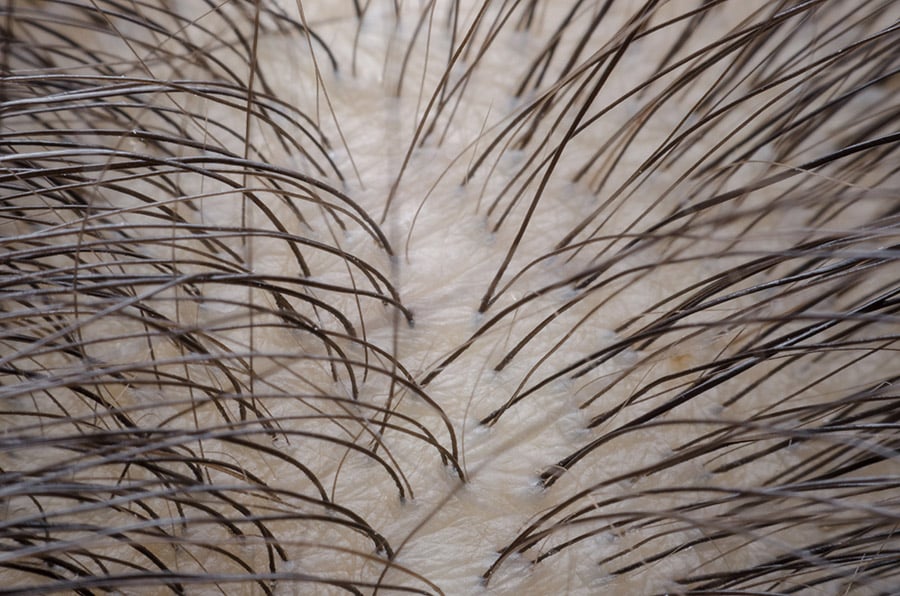
Laser Hair Rejuvenation
Consistent light exposure across the scalp.
The scalp is positioned beneath a low-level light device for a set exposure time. Unlike hair-removal laser, the session is not intended to heat or destroy follicles.
Evidence and individual response vary by type and cause of hair loss. It is not a cure, and a diagnosis matters before investing in a long course.
Book a hair consultation
Sudden or patchy loss needs medical attention.
See a GP or dermatologist for sudden, painful, inflamed, patchy or unexplained hair loss, or when it follows illness, medicines or hormonal change.
Treatment commitment
Regular sessions, slow assessment and no instant claims.
Where low-level light is considered appropriate, regular appointments over a prolonged period may be discussed. Photographs taken consistently can help assess whether continuing is worthwhile.
Photosensitivity, light-triggered conditions, scalp disease, medicines and the underlying reason for hair loss can affect suitability.
Discuss your hair concernMore information
Laser Hair Rejuvenation questions, answered.
A realistic plan starts by understanding why the hair is changing.
Contact usWhat is Laser Hair Rejuvenation?
It is a non-invasive treatment that exposes the scalp to low-level light for a set time. It is different from laser hair removal and does not aim to destroy follicles.
Does it cure hair loss?
No. Hair loss has many causes, evidence varies and no individual result is guaranteed. Medical assessment may be more appropriate before cosmetic treatment.
When should I seek medical advice?
See a GP or dermatologist for sudden, patchy, painful, inflamed or unexplained loss, scalp disease, or hair loss associated with illness, medicines or hormonal symptoms.
How many sessions are needed?
Regular sessions over a prolonged period may be proposed, but the schedule depends on the device, diagnosis and response. Progress should be reviewed objectively.
Are there side effects?
The treatment is generally low intensity, but temporary scalp sensitivity or headache can occur. Photosensitive conditions and medicines may affect suitability.
Is it suitable during pregnancy?
Do not assume so. Pregnancy-related hair changes and device suitability should be discussed with an appropriate healthcare professional before treatment.
Understand the cause first.